
.png)
When Redness and Flakes Refuse to Go Away: Understanding Seborrheic Dermatitis
For many people, skin flaking starts as a small annoyance — a few white particles on dark clothing or slight irritation around the scalp. But when the problem keeps returning alongside redness and oily patches, it may be more than ordinary dandruff.
Seborrheic dermatitis is a chronic inflammatory skin condition that commonly affects areas with higher oil production. Although it is extremely common, the condition is often misunderstood because its symptoms can appear differently from person to person.
A Common Yet Overlooked Skin Condition
Seborrheic dermatitis develops in regions where sebaceous (oil-producing) glands are more active. The condition is associated with inflammation that can lead to visible skin changes and ongoing irritation.
Areas frequently affected include:
- Scalp
- Hairline
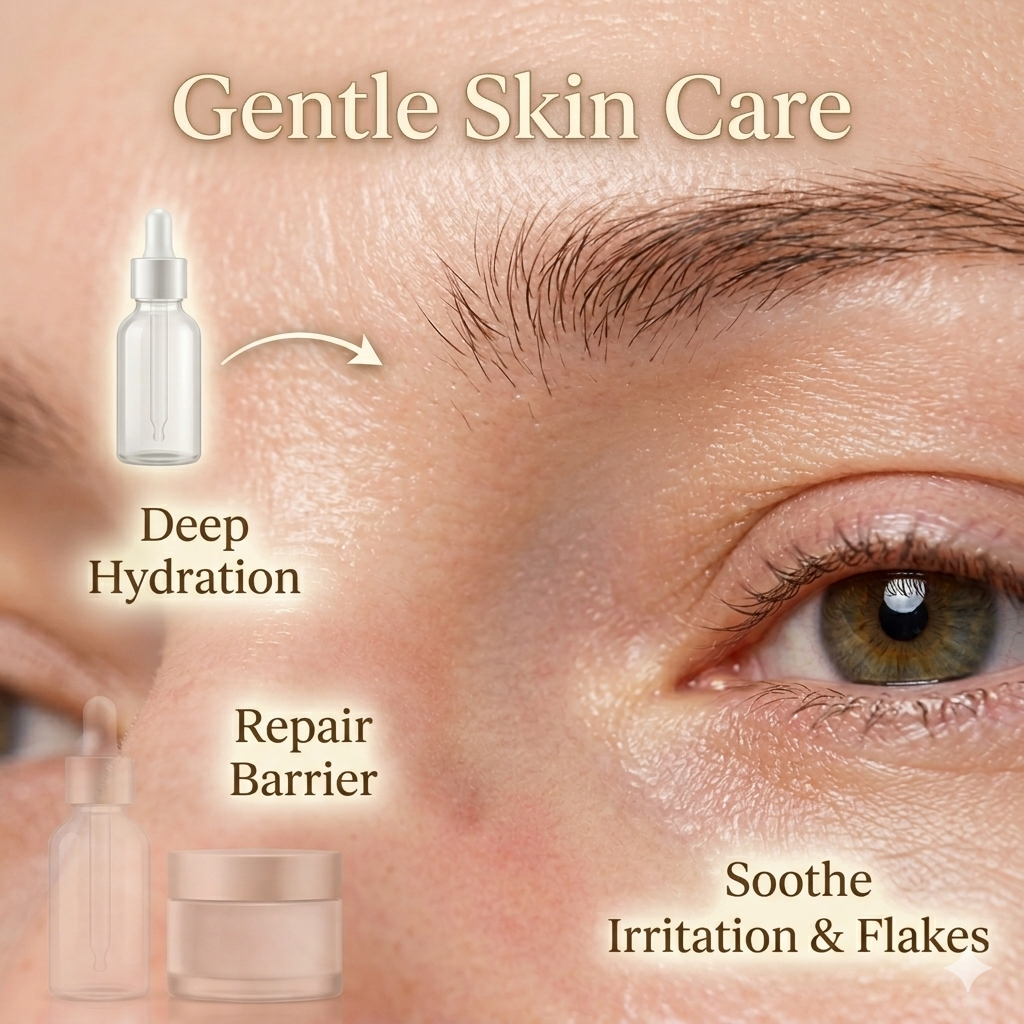
- Eyebrows
- Around the nose
- Ears
- Beard region
- Upper chest
In babies, it commonly appears as cradle cap on the scalp.

Recognizing the Symptoms
The symptoms of seborrheic dermatitis may develop gradually and often fluctuate over time.
Common signs include:
- White or yellow flakes
- Redness
- Greasy skin patches
- Mild itching
- Skin sensitivity
- Scaling on the scalp or face
Some individuals experience only mild dandruff-like symptoms, while others develop more noticeable inflammation.
What Contributes to Seborrheic Dermatitis?
Although the exact cause remains unclear, researchers believe several factors contribute to the condition.
Possible contributing factors include:
- Excess oil production
- Skin yeast imbalance
- Immune system activity
- Stress
- Hormonal influence
- Fatigue
- Climate changes
Contrary to common belief, seborrheic dermatitis is not caused by poor hygiene.
Why Do Symptoms Keep Returning?
One of the defining characteristics of seborrheic dermatitis is its tendency to recur. Symptoms may improve temporarily before suddenly reappearing again.
Flare-ups are commonly associated with:
- Stress
- Sleep deprivation
- Seasonal weather changes
- Cold temperatures
- Physical exhaustion
For many people, the unpredictability becomes one of the most frustrating aspects of the condition.
Sometimes the skin behaves like it enjoys creating surprise plot twists nobody asked for.
More Than Just a Cosmetic Concern
Because seborrheic dermatitis often affects visible areas such as the face and scalp, it can influence self-confidence and emotional wellbeing.
Persistent flaking or facial redness may cause discomfort in social settings, especially during flare-ups that are difficult to conceal.
When Should Someone Seek Medical Evaluation?
Professional assessment may be helpful if:
- Symptoms persist or worsen
- Facial redness increases
- The scalp becomes painful
- Scaling spreads beyond the scalp
- Symptoms resemble psoriasis or eczema
- Daily comfort is affected
Accurate diagnosis helps distinguish seborrheic dermatitis from other inflammatory skin conditions.
Final Thoughts
Seborrheic dermatitis is a chronic inflammatory condition that affects millions of people worldwide. While it is commonly associated with scalp flaking, the condition can involve multiple oily areas of the skin and may recur unpredictably over time.
Understanding the condition is important because the skin sometimes communicates its frustrations very loudly — usually through redness, flakes, and an oddly dramatic sense of timing.
.png)
.png)
.png)
.png)


