.png)
Vitiligo Care Guide: Protecting Sensitive Skin & Supporting Natural Balance
Living With Vitiligo
Vitiligo is a skin condition that causes areas of the skin to lose color due to reduced melanin production. The affected areas may appear as smooth white patches that gradually increase in size over time.
Although vitiligo is not dangerous or infectious, it can impact confidence and emotional well-being, especially when visible areas of the body are involved.
With proper skin care and professional support, many people are able to manage skin sensitivity and improve overall skin appearance.

Early Signs of Vitiligo
Vitiligo often begins subtly. Common early signs may include:
• Small pale spots appearing on the face, hands, or neck
• Uneven pigmentation around the mouth or eyes
• White patches spreading slowly over time
• Hair turning white in affected areas
• Increased sensitivity to sunlight
Recognizing symptoms early may help support better long-term skin management.
Why Does Vitiligo Happen?
Vitiligo is believed to develop from a combination of internal and external factors.
Immune System Imbalance
The body may mistakenly target pigment-producing cells.
Genetic Influence
Some individuals may have a family history of pigment disorders.
Environmental Stress
Sun damage, chemical exposure, or emotional stress may contribute to flare-ups.
Skin Inflammation
Chronic irritation or weakened skin barrier function can make sensitive skin more reactive.
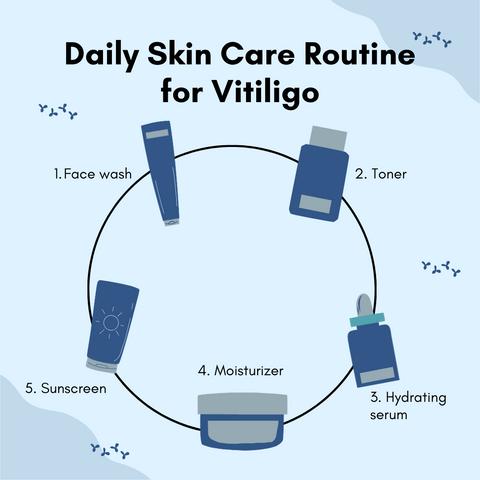
Daily Skin Care Tips for Vitiligo-Prone Skin
Gentle skin care plays an important role in protecting vulnerable skin.
Keep Skin Hydrated
Dry skin may worsen discomfort and irritation. Use moisturizers regularly to maintain skin softness and barrier protection.
Avoid Harsh Products
Strong exfoliants, alcohol-based toners, and fragranced products may irritate sensitive skin.
Use Sun Protection Daily
Depigmented skin is more vulnerable to UV damage. Broad-spectrum sunscreen helps reduce sun sensitivity and uneven appearance.
Choose Barrier-Support Ingredients
Helpful ingredients may include:
• Ceramides
• Aloe Vera
• Panthenol
• Squalane
• Niacinamide
• Centella Asiatica
These ingredients help support hydration, calm irritation, and strengthen skin resilience.
Modern Approaches to Vitiligo Support
Depending on individual skin conditions, treatment plans may include:
• Dermatology consultation
• Targeted light therapy
• Topical skin support treatments
• Skin barrier recovery programs
• Personalized skincare recommendations
Consistent care is often important for maintaining skin comfort and appearance.
Emotional Wellness Matters Too
Vitiligo affects more than the skin. Many individuals experience stress, anxiety, or low confidence related to visible skin changes.
Supportive care, healthy routines, and professional guidance can help individuals feel more comfortable and confident in their daily lives.
Healthy Skin Starts With Gentle Care
Managing vitiligo is a long-term journey that requires patience, consistency, and proper skin support. Protecting the skin barrier, avoiding irritation, and following a suitable care routine can help improve overall skin condition and comfort over time.
.jpg)
.png)
.png)
.jpg)