
.png)
Why Does Dermatitis Keep Coming Back? Understanding the Causes of Recurrent Dermatitis
Dermatitis — commonly known as eczema when it is chronic — is a non-contagious inflammatory skin condition that affects millions of people worldwide. While many experience temporary relief with treatment, the rash often returns again and again, sometimes in the same spots. If you’ve ever wondered, “Why won’t my dermatitis just go away?” you’re not alone. Recurrent dermatitis is usually a chronic condition driven by a combination of genetic, immune, and environmental factors rather than a single cause.
Understanding why it recurs can help you break the cycle and manage symptoms more effectively. This article explains the most common reasons for persistent or recurring dermatitis based on medical insights from trusted sources like the Mayo Clinic and Cleveland Clinic.
What Is Recurrent Dermatitis? Dermatitis refers to several types of skin inflammation, but the most common forms that keep returning are:
- Atopic dermatitis (eczema): The most frequent chronic type, often starting in childhood but persisting or returning in adulthood.
- Contact dermatitis: Triggered by repeated exposure to irritants or allergens.
- Seborrheic dermatitis: Affects oily areas like the scalp and face and tends to flare cyclically.
Unlike one-time rashes, recurrent dermatitis is lifelong for many people because the underlying skin barrier and immune issues do not disappear completely. Main Causes: Why Dermatitis Keeps Recurring Several interconnected factors explain why symptoms return even after they seem to clear up. Genetic Factors and a Weakened Skin Barrier Many people with recurrent dermatitis have genetic variations (such as mutations in the filaggrin gene) that impair the skin’s natural protective barrier. This “brick wall” becomes like a leaky fence: moisture escapes easily, and irritants, allergens, and bacteria enter more easily. The result is chronic dryness and inflammation that never fully resolves. Overactive Immune System In atopic dermatitis, the immune system overreacts to harmless substances, releasing inflammatory chemicals that cause redness, itching, and swelling. This creates the classic “itch-scratch cycle”: scratching damages the skin further, leading to more inflammation and new flare-ups. Ongoing Exposure to Triggers Even after treatment, everyday triggers can restart the condition. Common triggers include:
- Irritants: Harsh soaps, detergents, fragrances, wool clothing, cleaning products
- Allergens: Dust mites, pollen, pet dander, mold
- Environmental factors: Dry or cold air, heat, sweat, pollution, tobacco smoke
- Infections: Overgrowth of Staphylococcus aureus on the skin
- Lifestyle factors: Stress, hormonal changes, certain foods (especially in children)
.jpg)
Incomplete Treatment or Early Discontinuation Many people stop treatment as soon as the rash fades. However, underlying inflammation and skin barrier damage may still be present, leading to quick relapse. Inadequate treatment or secondary infections can also prolong symptoms. How to Break the Cycle: Prevention and Management Tips Although there is no permanent cure, consistent habits can significantly reduce flare-ups:
- Daily moisturizing: Use fragrance-free creams or ointments immediately after bathing
- Identify triggers: Keep a symptom diary and consider allergy testing
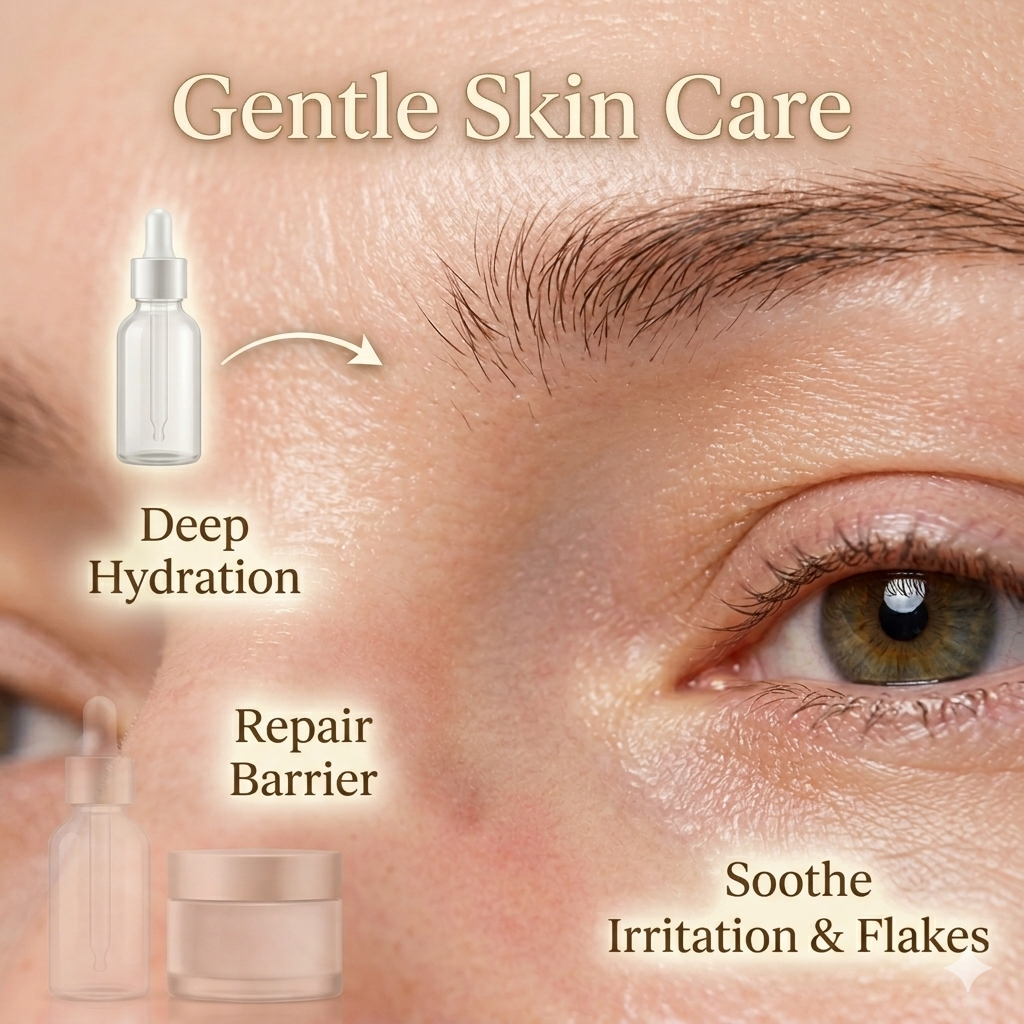
- Gentle skincare: Use mild cleansers, wear soft cotton clothing, avoid hot showers
- Stress management: Meditation, exercise, or relaxation techniques
- Medical treatment: Follow your dermatologist’s plan (topical steroids, non-steroidal creams, or biologics if needed)
- Lifestyle adjustments: Use a humidifier, wash bedding regularly, limit allergen exposure
When to See a Dermatologist Seek professional help if:
- The rash spreads quickly, becomes painful, or shows signs of infection (pus, crusting, fever)
- Over-the-counter treatments do not work after 1–2 weeks
- Symptoms disrupt sleep or daily activities
- You suspect allergies or need specialized testing
A dermatologist can provide a personalized long-term treatment plan. Conclusion Recurrent dermatitis can be frustrating, but it is manageable. The key causes include a weakened skin barrier, immune overactivity, and repeated exposure to triggers. With proper skincare, trigger control, and consistent treatment, most people can reduce flare-ups and maintain healthier skin.
Disclaimer: This article is for educational purposes only and does not constitute medical advice. It is not a substitute for professional diagnosis or treatment. Please consult your dermatologist before making any healthcare decisions. We are not responsible for any damages arising from the use of this information
.png)
.png)
.png)
.png)


